Optimal Timing for Tree Removals
Understanding the optimal timing for tree removals is essential to ensure safety, health of surrounding vegetation, and efficient project completion. The timing depends on factors such as tree species, local climate, and specific site conditions.
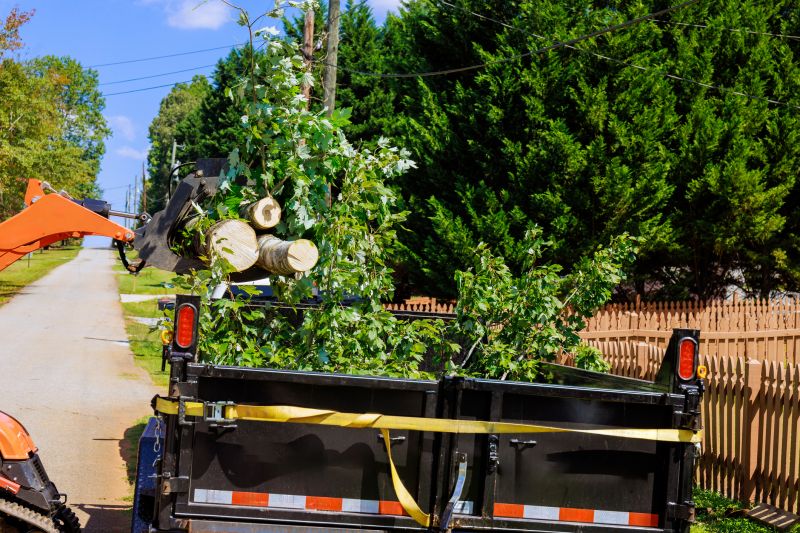
Winter is often ideal for tree removals due to dormant trees and less impact on surrounding landscape.
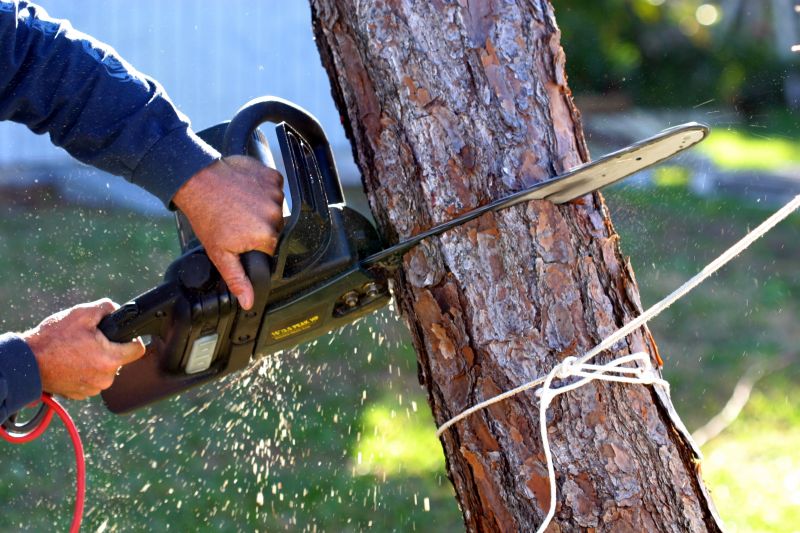
Spring can be suitable for removals before new growth begins, minimizing stress on trees.
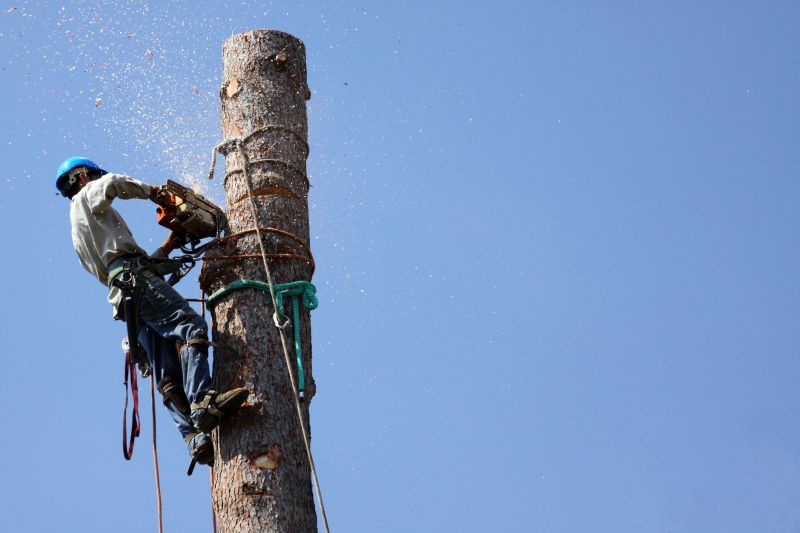
Summer removals may be necessary during emergencies or when safety concerns arise, though they can be more challenging.
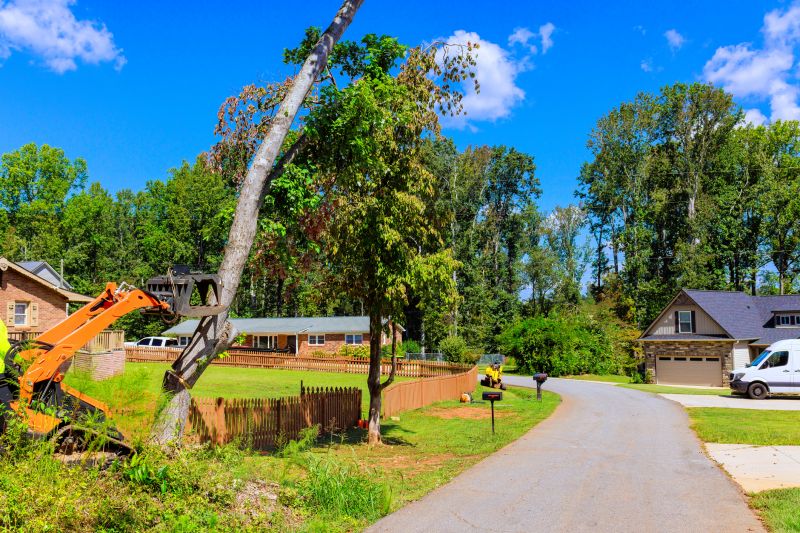
Ways to make Tree Removals work in tight or awkward layouts.
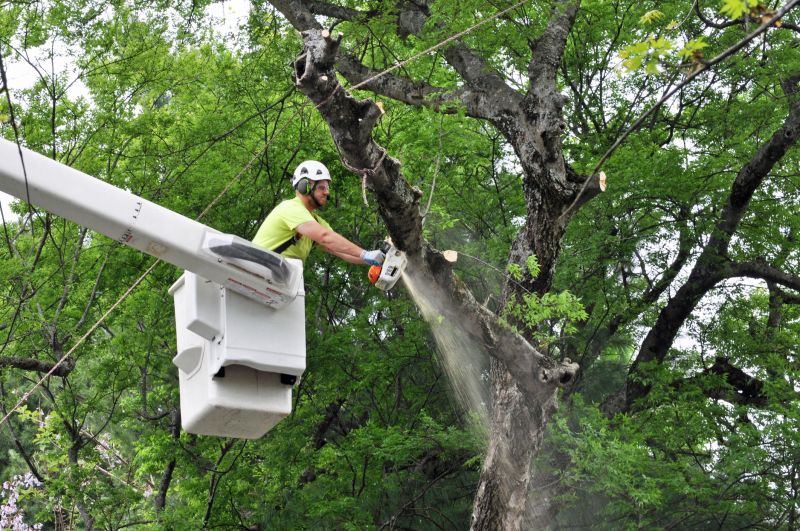
Popular materials for Tree Removals and why they hold up over time.
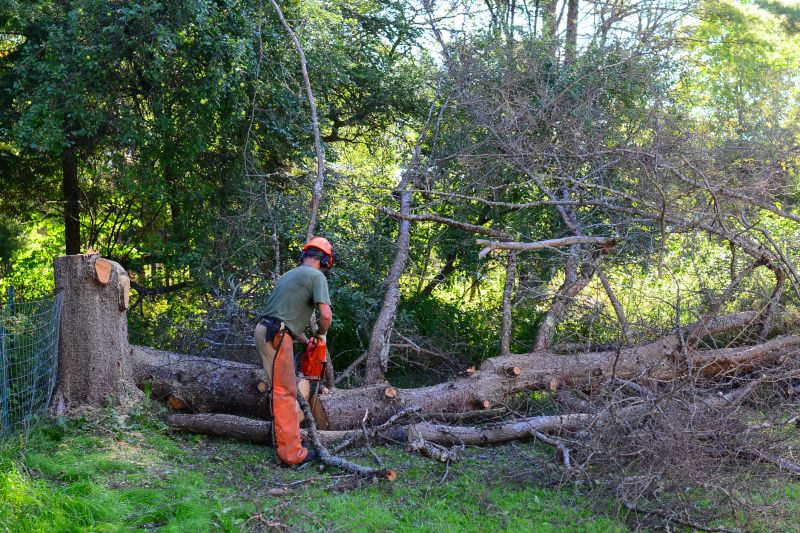
Simple add-ons that improve Tree Removals without blowing the budget.
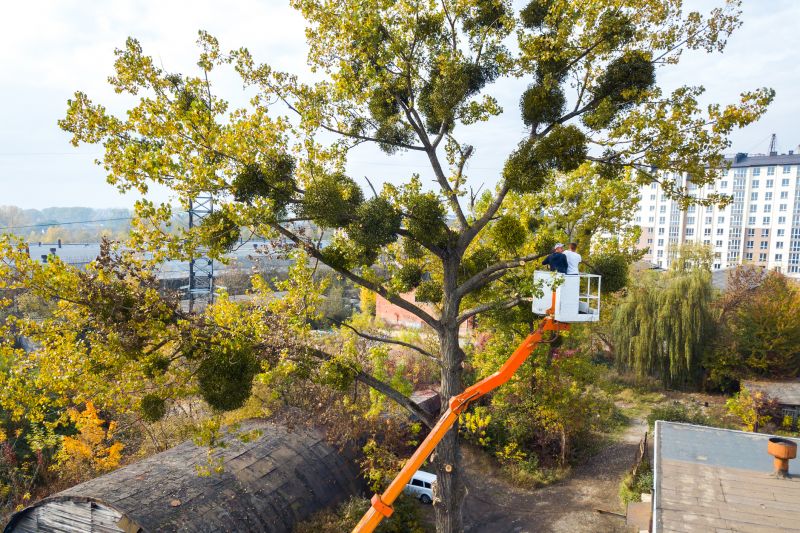
High-end options that actually feel worth it for Tree Removals.
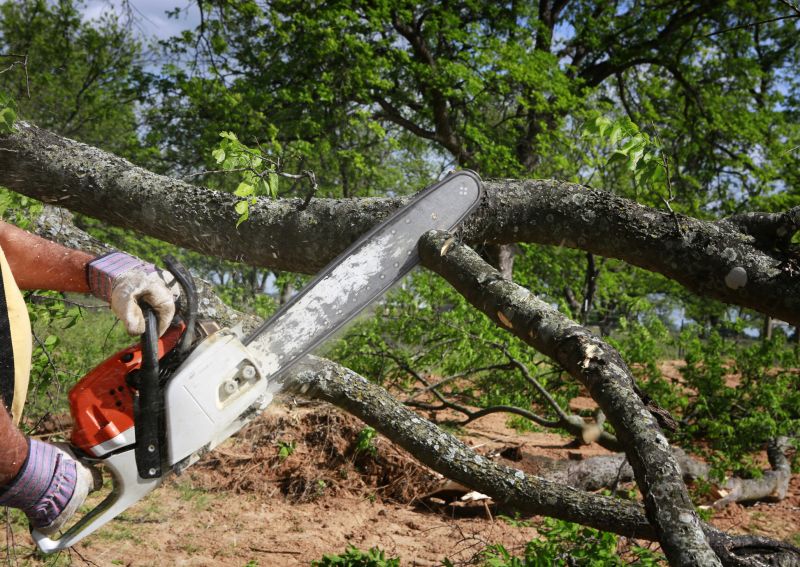
Finishes and colors that play nicely with Tree Removals.
Season, tree health, and weather conditions influence the best time for tree removal projects.
Removing trees during dormancy reduces stress and promotes quicker recovery for remaining vegetation.
Avoiding periods of heavy rain, wind, or extreme cold helps ensure safety and efficiency.
Urgent removals due to storm damage or safety hazards may occur at any time of year.
Tree removals are a crucial part of landscape management, safety, and property maintenance. Proper timing minimizes risks, reduces damage to surrounding plants, and ensures a smoother process. Statistically, scheduling during dormancy reduces the likelihood of pest spread and disease transmission, making winter the most popular season for removals in many regions.
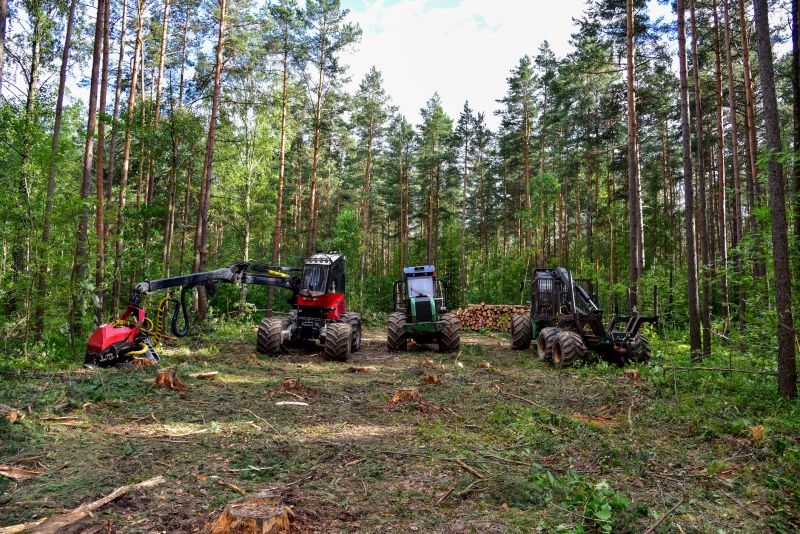
Specialized tools and machinery are used for safe and efficient tree removal.
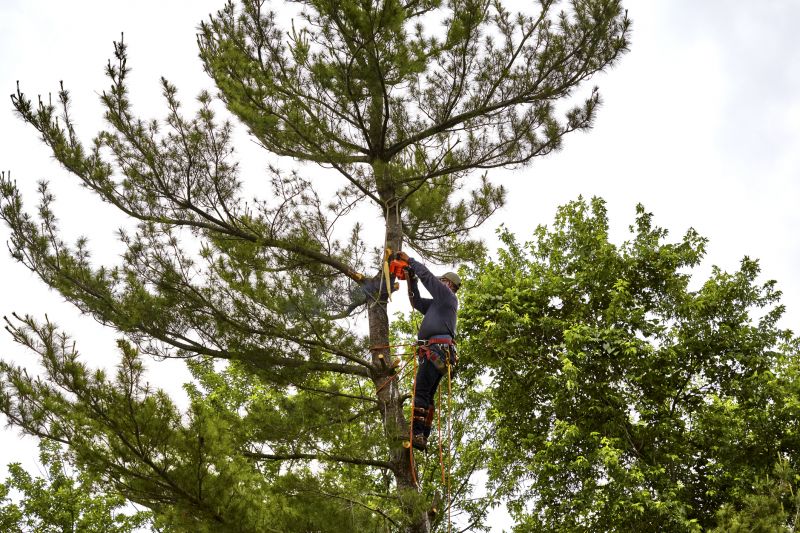
Proper techniques ensure safety and minimize impact on the surrounding landscape.
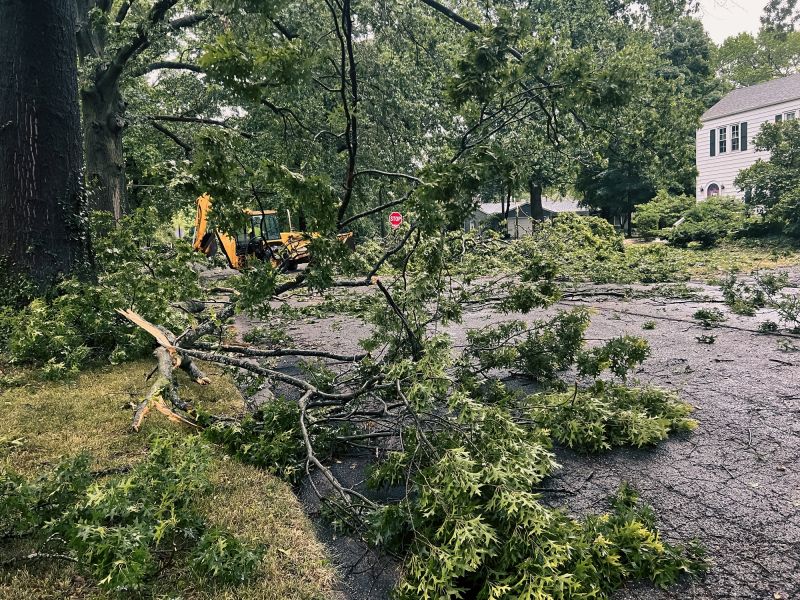
Removing debris and preparing the site for future landscaping or construction.
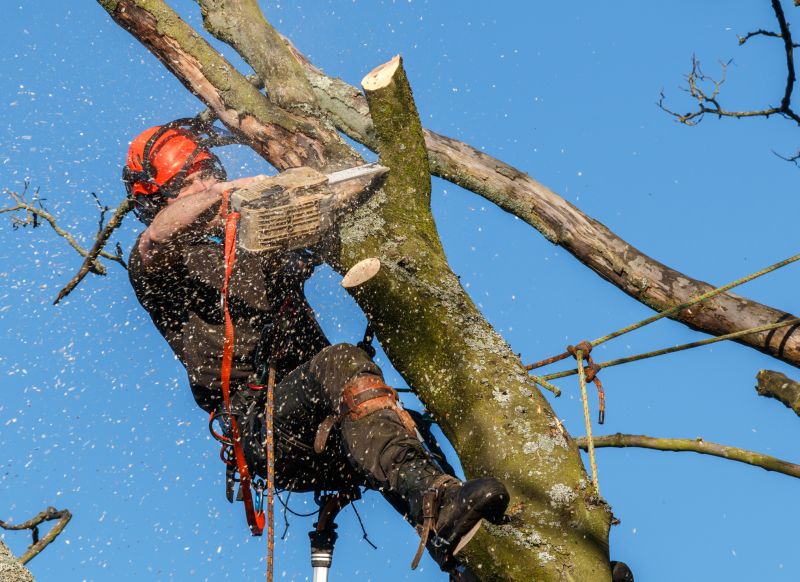
Protective equipment is essential for personnel safety during tree removal projects.

Little measurements that prevent headaches on Tree Removals day.
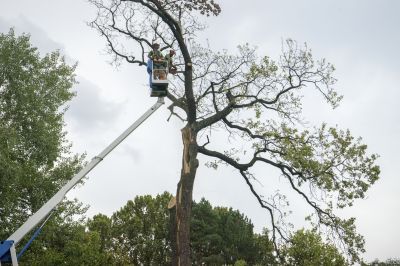
A 60-second routine that keeps Tree Removals looking new.
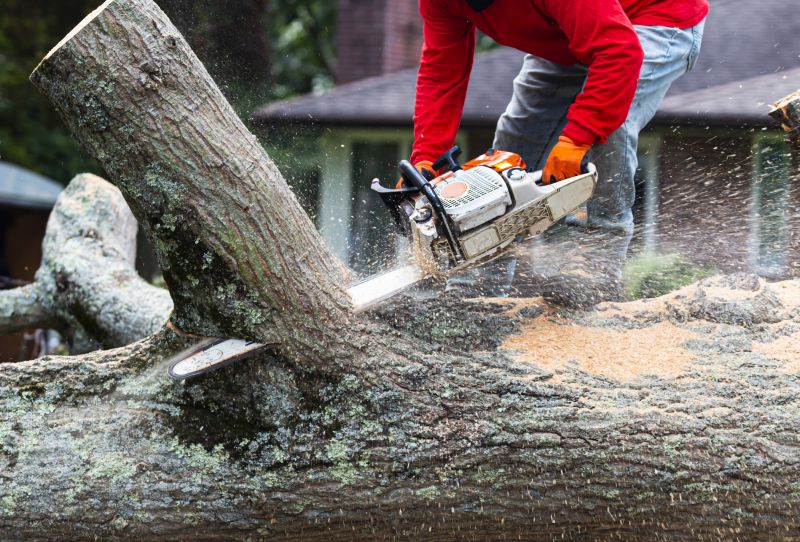
A frequent mistake in Tree Removals and how to dodge it.
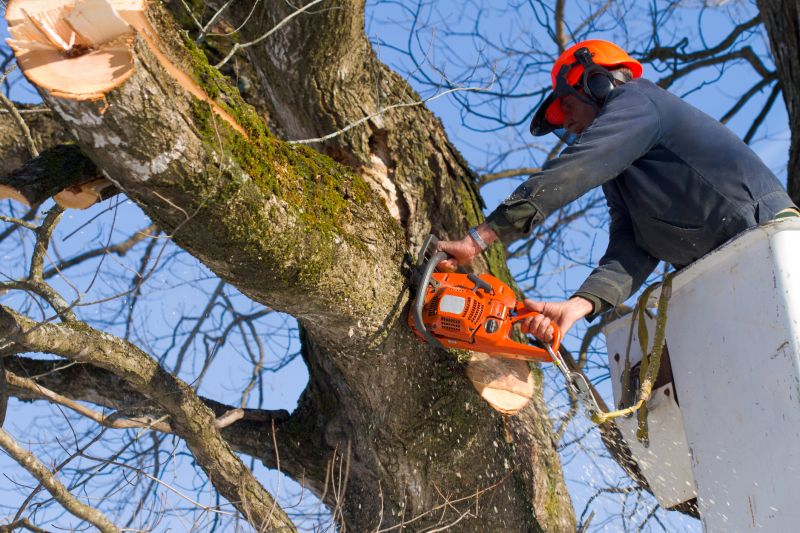
Small tweaks to make Tree Removals safer and easier to use.
| Season | Suitability |
|---|---|
| Winter | Ideal for most removals due to dormancy and less foliage |
| Spring | Suitable before new growth starts; avoid during active growth |
| Summer | Possible during emergencies; less favorable for planned removals |
| Fall | Acceptable in early fall; avoid late fall when trees are preparing for dormancy |
Selecting the appropriate time for tree removal depends on multiple factors, including the specific species and local weather patterns. Proper scheduling can lead to safer operations, healthier remaining landscape, and more efficient project completion. Consulting with a professional arborist can help determine the best timing for individual trees and property needs.
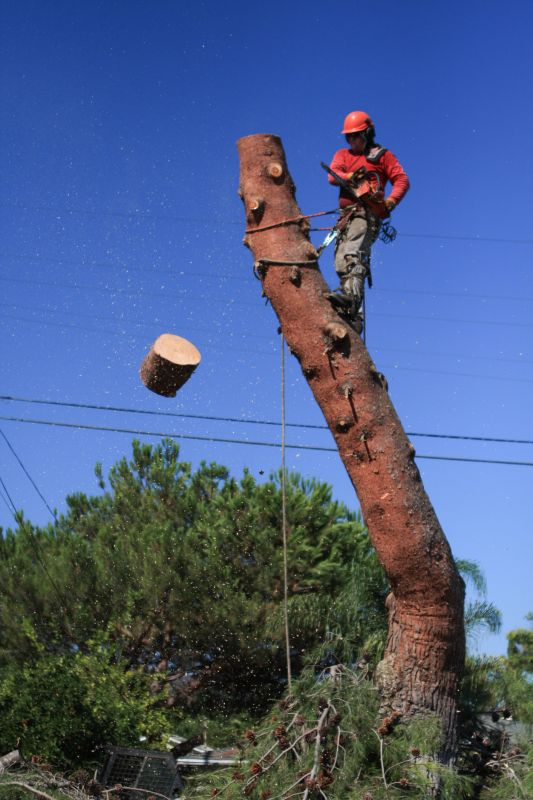
Professional crews safely removing a large tree in Chesterfield.
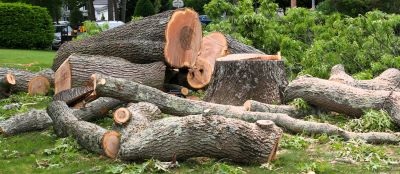
Visual comparison of a property prior to and after tree removal.
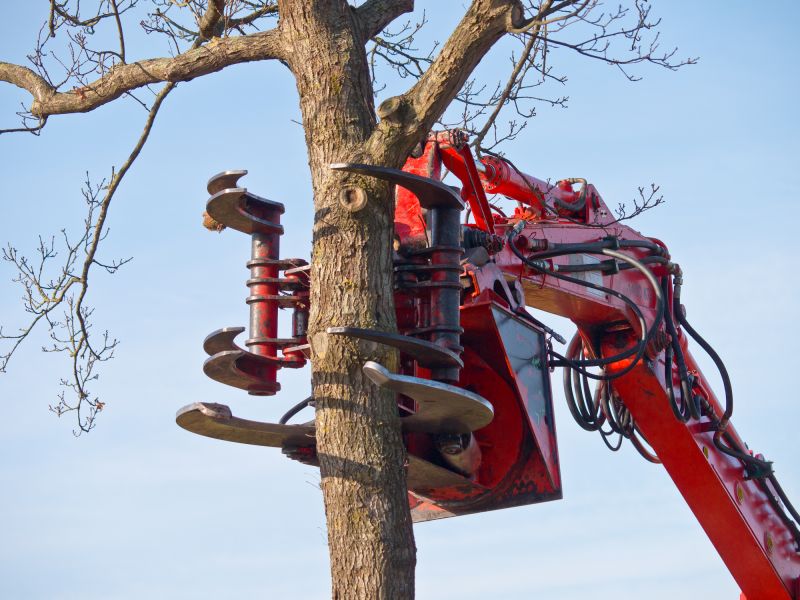
Machinery and tools essential for safe and efficient tree felling.
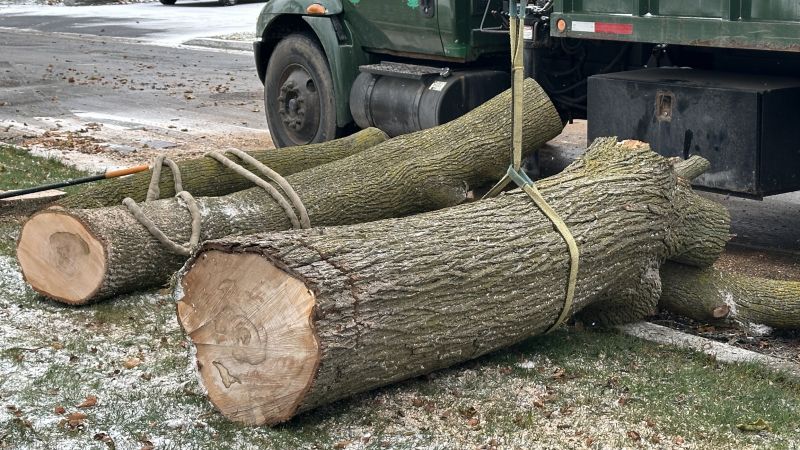
Lower-waste or water-saving choices for Tree Removals.
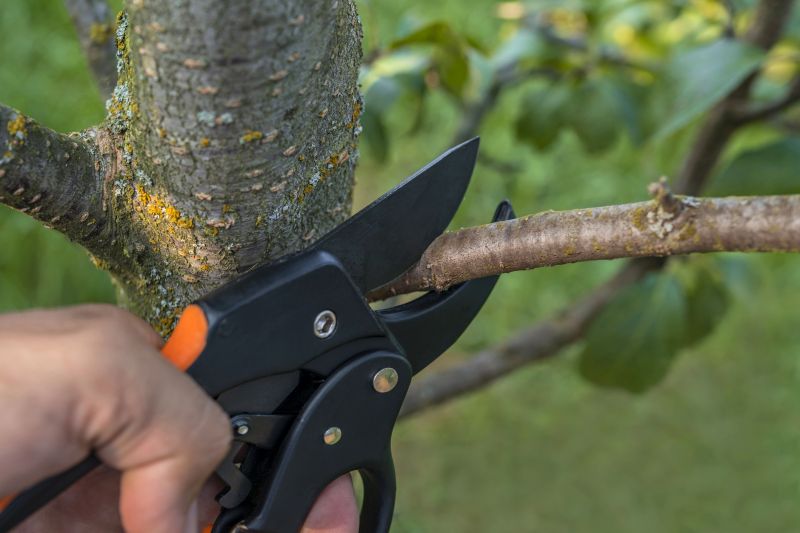
The short, realistic tool list for quality Tree Removals.
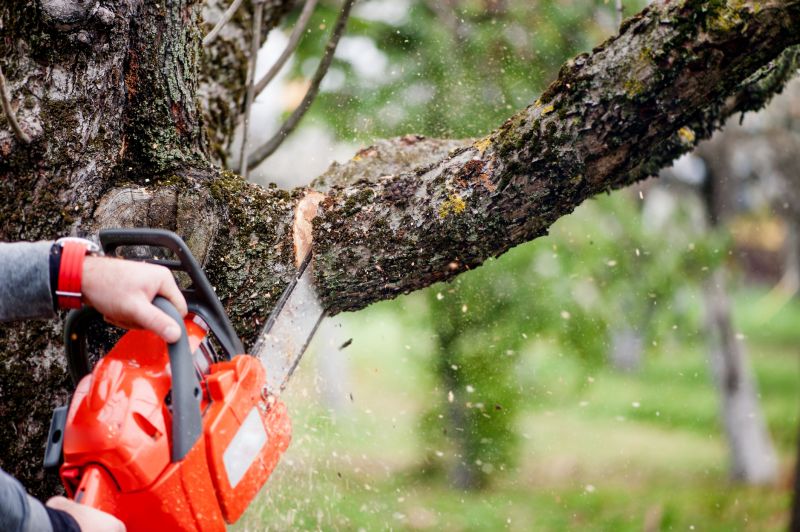
Rough timing from prep to clean-up for Tree Removals.
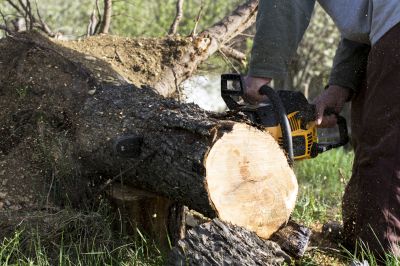
Quick checks and paperwork to keep after Tree Removals.
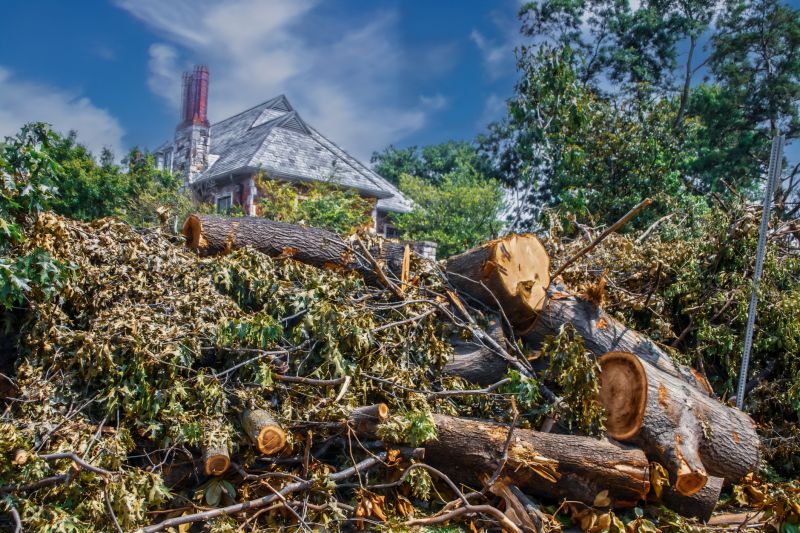
Examples that show the impact a good Tree Removals can make.
Interested in scheduling a tree removal or learning more about the optimal timing for your property? Filling out the contact form can provide tailored guidance and assistance for your tree management needs in Chesterfield, VA.